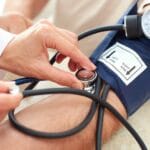
How to Control High Blood Pressure Naturally — Without Pills
Hypertension is common—but the right daily habits can lower numbers safely. Use this practical, evidence-aligned guide to improve your blood pressure with food, movement, sleep, and stress control—no medications required.
1) Maintain a Healthy Weight
Extra body weight increases the workload on your heart and blood vessels. Even modest weight loss can reduce blood pressure measurably.
Target a gradual weight loss of 0.5–1 kg per week. Waist goals: men < 40 in (102 cm), women < 35 in (88 cm).
- Track portions and avoid sugary drinks.
- Combine light calorie deficit with 30+ minutes of activity most days.
2) Eat a Heart-Friendly (DASH-style) Diet
The DASH pattern lowers blood pressure by emphasizing produce, fiber, and minerals that balance sodium.
- Include: fruits, vegetables, whole grains, beans, nuts, low-fat dairy, fish, and lean chicken.
- Limit: red/processed meats, refined carbs, sweets, and sugary drinks.
- Boost potassium: bananas, spinach, lentils, yogurt, sweet potatoes.
Tip: Fill half your plate with vegetables, one quarter with lean protein, one quarter with whole grains.
3) Cut Down on Salt (Sodium)
High sodium causes fluid retention and raises blood pressure. Most salt hides in packaged foods.
Aim for < 1,500 mg sodium/day (≈ ¾ teaspoon salt).
- Choose fresh foods over canned/processed.
- Use herbs, garlic, lemon, and spices instead of salt.
- Compare labels—pick the lowest sodium option.
4) Stay Physically Active
Regular movement strengthens the heart so it pumps with less effort, lowering pressure.
- 150–225 min/week of moderate activity (e.g., brisk walking).
- Or 75–150 min/week vigorous activity (e.g., jogging).
- Add 2 days/week of light strength and daily stretching or yoga.
5) Manage Stress Effectively
Chronic stress spikes blood pressure and worsens sleep and eating choices.
- Practice 5 minutes of slow breathing: inhale 4s, exhale 6s.
- Try prayer/meditation, brief walks, or journaling daily.
- Reduce screen time and news overload at night.
6) Quit Smoking & Limit Alcohol
Nicotine tightens arteries; alcohol elevates BP over time.
- Smoking: quit completely—seek counseling or nicotine replacement if needed.
- Alcohol: max 1 drink/day (women) or 2/day (men); many people do better with less.
7) Get Quality Sleep
Poor sleep raises stress hormones and blood pressure.
- Target 7–8 hours nightly with a consistent schedule.
- Keep the bedroom dark, cool, and quiet; avoid screens 60 minutes before bed.
- If you snore loudly or feel exhausted, ask about sleep apnea screening.
Summary: Small Steps, Big Impact
You don’t need to rely on pills alone. A steady routine of smart food choices, daily movement, calm mind, tobacco-free living, and deep sleep can meaningfully lower blood pressure and protect your heart.
- Natural formula: Healthy Plate + 30–45 min activity + Stress control + No smoking + Quality sleep.
- Track progress: home BP 2–3 days/week (morning & evening), keep a log.
- Seek care: if home BP persistently ≥ 140/90 or symptoms (chest pain, severe headache, vision changes).