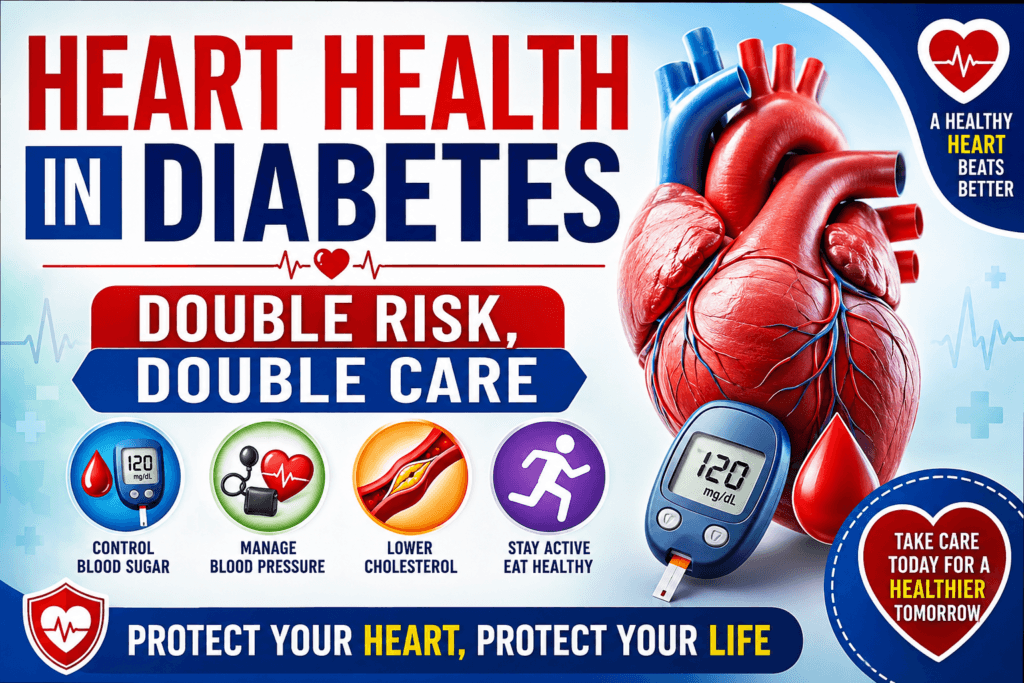
Heart Health in Diabetes: Double Risk, Double Care
Diabetes is one of the fastest-growing chronic diseases worldwide. While many people are aware that diabetes affects blood sugar levels, fewer realize that it also has a significant impact on the heart. In fact, people living with diabetes are two to four times more likely to develop cardiovascular disease than those without diabetes. Therefore, heart health in diabetes should always be considered a top priority rather than an afterthought.
Fortunately, the good news is that many heart-related complications can be prevented through lifestyle changes, regular medical care, and appropriate treatment. By understanding the connection between diabetes and cardiovascular disease, patients can take proactive steps to protect their hearts and improve their overall quality of life.
Why Heart Health in Diabetes Matters
Diabetes affects blood vessels throughout the body. Over time, persistently high blood glucose levels can damage the lining of arteries. As a result, cholesterol plaques are more likely to develop, leading to narrowing and hardening of blood vessels, a condition known as atherosclerosis.
Consequently, blood flow to the heart may be reduced, increasing the risk of serious cardiovascular events. Moreover, high blood pressure, obesity, abnormal cholesterol levels, and chronic inflammation are commonly associated with diabetes, making the risk even greater.
Because of these combined factors, heart health in diabetes deserves continuous attention from both patients and healthcare providers.
| Risk Factor | How It Affects the Heart |
|---|---|
| High Blood Sugar | Damages blood vessels and accelerates plaque formation. |
| High Blood Pressure | Increases workload on the heart. |
| High LDL Cholesterol | Promotes blockage of coronary arteries. |
| Low HDL Cholesterol | Reduces protection against cardiovascular disease. |
| Obesity | Increases insulin resistance and heart disease risk. |
| Smoking | Further damages arteries and increases clot formation. |
How Diabetes Damages the Heart
Several harmful processes are triggered when diabetes remains uncontrolled. Firstly, excess glucose circulates in the bloodstream and injures blood vessel walls. Secondly, inflammation develops throughout the vascular system. Thirdly, cholesterol deposits gradually accumulate inside arteries. Eventually, these changes reduce blood flow to the heart muscle.
Furthermore, diabetes may damage nerves that regulate heart function. As a result, some patients may experience a “silent heart attack,” during which little or no chest pain is felt. Therefore, routine cardiovascular screening becomes extremely important.
Warning Signs You Should Never Ignore
Heart disease does not always present with classic chest pain. Especially in diabetic patients, symptoms may be subtle. Therefore, immediate medical attention should be sought if any of the following symptoms develop:
- Chest discomfort or pressure
- Shortness of breath
- Pain spreading to the arm, jaw, neck, or back
- Unexplained fatigue
- Dizziness or fainting
- Rapid or irregular heartbeat
- Cold sweats
- Nausea or vomiting during chest discomfort
Importantly, these symptoms should never be ignored because early treatment can save heart muscle and reduce complications.
Who Is at the Highest Risk?
Although every diabetic patient should focus on cardiovascular prevention, certain individuals are at particularly high risk.
- People with Type 2 diabetes
- Patients with diabetes for more than 10 years
- Individuals with high blood pressure
- People with kidney disease
- Smokers
- Overweight or obese individuals
- Patients with a family history of heart disease
- Adults over 45 years of age
Therefore, these individuals should work closely with their healthcare providers to optimize their cardiovascular health.
Protecting Your Heart: Essential Lifestyle Changes
1. Maintain Healthy Blood Sugar Levels
Keeping HbA1c within the target range significantly reduces vascular damage. Consequently, blood vessels remain healthier for longer periods.
2. Control Blood Pressure
High blood pressure places additional stress on the heart. Therefore, blood pressure should be monitored regularly and treated appropriately when necessary. Take low salt diet in food.
3. Improve Cholesterol Levels
Healthy cholesterol levels reduce plaque formation inside arteries. In many patients, cholesterol-lowering medications may be recommended alongside dietary improvements.
4. Eat a Heart-Friendly Diet
A balanced diet rich in vegetables, fruits, whole grains, legumes, nuts, and lean proteins supports both blood sugar control and cardiovascular health. On the other hand, sugary beverages, processed foods, and trans fats should be minimized.
| Eat More | Limit |
|---|---|
| Fresh vegetables | Sugary drinks |
| Whole grains | White bread |
| Fish rich in omega-3 | Processed meat |
| Olive oil | Deep-fried foods |
| Nuts and seeds | Trans fats |
5. Exercise Regularly
At least 150 minutes of moderate aerobic exercise each week is generally recommended. Walking, cycling, swimming, and light jogging are excellent options. Additionally, strength training should be included at least twice weekly whenever possible.
6. Maintain a Healthy Weight
Even modest weight loss improves insulin sensitivity and lowers cardiovascular risk. Therefore, gradual and sustainable weight management should be encouraged.
7. Stop Smoking
Smoking greatly accelerates artery damage. Consequently, quitting smoking provides immediate and long-term cardiovascular benefits.
Modern Diabetes Medications That Also Protect the Heart
Recent advances have transformed diabetes care. Interestingly, some newer medications not only lower blood sugar but also reduce cardiovascular events.
| Medication Class | Potential Heart Benefits |
|---|---|
| SGLT2 Inhibitors | Reduce heart failure hospitalization and improve kidney protection. |
| GLP-1 Receptor Agonists | Lower cardiovascular risk and support weight loss. |
| Statins | Reduce LDL cholesterol and lower heart attack risk. |
| Blood Pressure Medications | Protect the heart, kidneys, and blood vessels. |
However, medications should only be started after consultation with a qualified healthcare professional.
Regular Health Checkups Are Essential
Routine monitoring plays a vital role in maintaining heart health in diabetes. Therefore, patients should schedule regular follow-up visits even when they feel well.
- HbA1c every 3–6 months
- Blood pressure at every visit
- Lipid profile annually
- Kidney function tests
- Electrocardiogram (ECG) when indicated
- Eye examination annually
- Foot examination regularly
By detecting problems early, serious complications may be prevented before permanent damage occurs.
Simple Daily Habits for Better Heart Health in Diabetes
- Take medications exactly as prescribed.
- Drink adequate water unless restricted by your doctor.
- Sleep 7–9 hours each night.
- Manage stress through relaxation techniques.
- Avoid excessive alcohol consumption.
- Monitor blood glucose regularly.
- Stay physically active throughout the day.
- Keep regular appointments with your healthcare provider.
Conclusion
Living with diabetes does not mean heart disease is inevitable. Although the risk is significantly increased, it can often be reduced through early intervention, healthy lifestyle choices, and appropriate medical treatment. Therefore, every person with diabetes should make heart health in diabetes a daily priority.
Ultimately, protecting the heart requires consistent effort rather than occasional action. Healthy eating, regular exercise, blood sugar control, cholesterol management, blood pressure monitoring, and routine medical checkups work together to lower cardiovascular risk. By taking these steps today, individuals with diabetes can enjoy healthier hearts, longer lives, and a better quality of life.
Key Takeaway:
Diabetes doubles the challenge—but it does not have to double the consequences. With proper blood sugar control, heart-healthy habits, regular screenings, and modern treatments, cardiovascular disease can often be prevented or delayed. Make heart health a priority every day.