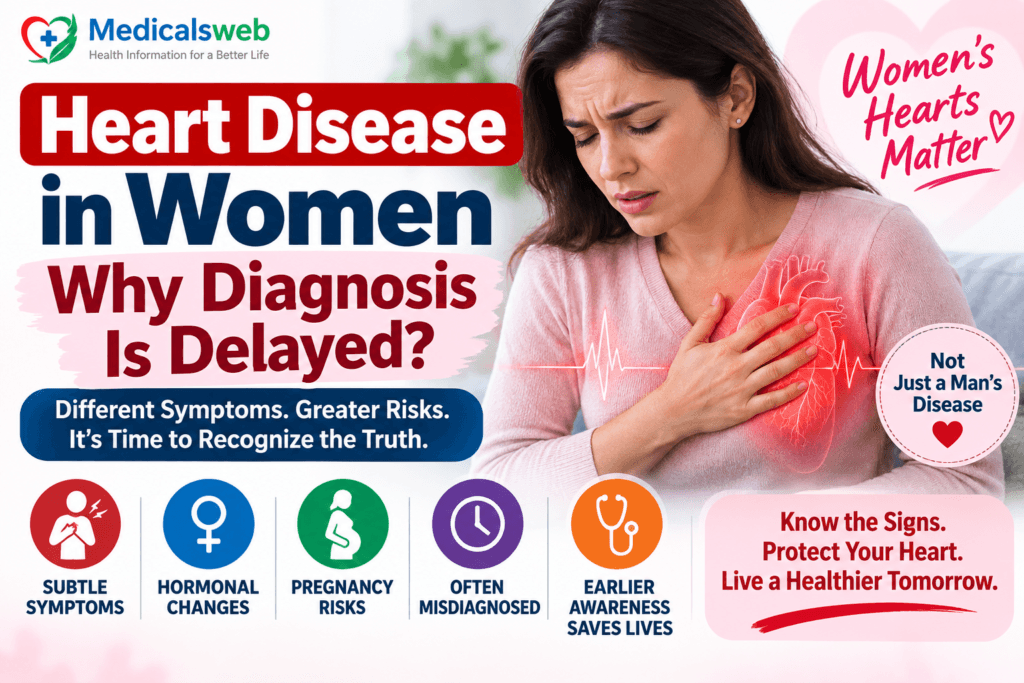
Heart Disease in Women: Why Diagnosis Is Delayed?
For many years, heart disease was often considered primarily a man’s health problem. However, this is far from the truth. Disease in women is an important and sometimes underestimated health issue, particularly when it comes to cardiovascular disease.
Heart disease is the leading cause of death among women in the United States and can affect women at different stages of life. Unfortunately, diagnosis may sometimes be delayed because symptoms are subtle, unusual, mistaken for other conditions, or not recognized as heart-related.
In addition, women can develop certain forms of coronary artery disease that are more difficult to detect using traditional approaches. For example, coronary microvascular disease is more common in women and can make diagnosis more challenging.
Why Is Heart Disease in Women Sometimes Diagnosed Late?
There is no single reason for delayed diagnosis. Instead, several factors can contribute. Some relate to the way symptoms appear, while others involve awareness, risk assessment, and differences in how cardiovascular disease can affect women.
1. Symptoms May Not Look Like the “Classic” Heart Attack
One of the biggest reasons for delayed diagnosis is that women may experience symptoms that do not immediately seem cardiac.
Chest discomfort is still an important symptom in women. However, women may also experience:
- Shortness of breath
- Unusual or extreme tiredness
- Nausea or vomiting
- Back pain
- Neck or jaw discomfort
- Upper abdominal discomfort
- Dizziness or lightheadedness
- Palpitations
- Unexplained weakness
Because these symptoms can resemble indigestion, acid reflux, anxiety, flu, muscle pain, or simple tiredness, some women may delay seeking medical attention.
2. Women May Not Recognize Their Cardiovascular Risk
Another problem is the misconception that women are naturally protected from heart disease.
Before menopause, women generally have a lower risk of coronary heart disease than men of the same age. However, this does not mean younger women are immune to cardiovascular disease.
Heart disease can occur in younger women, particularly when important risk factors are present.
- High blood pressure
- Diabetes
- High cholesterol
- Smoking
- Obesity
- Physical inactivity
- Family history of early heart disease
- Stress and certain mental health conditions
- Pregnancy-related complications
- Early menopause
3. Coronary Microvascular Disease Can Be Harder to Detect
Women are more likely than men to develop certain problems involving the small blood vessels of the heart. One example is coronary microvascular disease.
In this condition, the small blood vessels may not function normally even when the major coronary arteries do not show the type of blockage traditionally associated with coronary artery disease.
Consequently, some women with genuine heart-related symptoms may require a more detailed evaluation when initial tests do not provide a complete explanation.
4. Symptoms May Be Blamed on Other Conditions
Women may sometimes be told that symptoms are related to stress, anxiety, indigestion, muscle problems, or hormonal changes.
These conditions can certainly cause similar symptoms. However, the presence of another possible explanation should not automatically exclude heart disease.
This is particularly important when symptoms are new, persistent, severe, occur with exertion, or are accompanied by shortness of breath, sweating, dizziness, or chest discomfort.
What Are the Warning Signs of Heart Disease in Women?
Understanding symptoms is one of the most important ways to reduce delays in diagnosis.
- Chest pressure, tightness, heaviness, or discomfort
- Shortness of breath
- Unusual fatigue
- Nausea or vomiting
- Cold sweating
- Back pain
- Neck or jaw pain
- Upper abdominal discomfort
- Dizziness or lightheadedness
- Palpitations or an unusual awareness of the heartbeat
Symptoms may occur during physical activity or at rest. They may also come and go. Therefore, women should not ignore symptoms simply because they are mild or temporary.
Menopause and Heart Disease Risk
Menopause is an important stage in women’s cardiovascular health.
As women age and go through menopause, changes in hormone levels are associated with increasing cardiovascular risk. Other risk factors such as high blood pressure, high cholesterol, weight gain, and diabetes may also become more common during midlife.
However, menopause itself should not be used to explain away new or concerning symptoms.
Pregnancy Can Reveal Future Heart Risk
Pregnancy is another important consideration when evaluating disease in women.
Certain pregnancy-related conditions can be associated with an increased risk of cardiovascular disease later in life.
These include:
- High blood pressure during pregnancy
- Preeclampsia
- Gestational diabetes
- Preterm birth
- Delivering a baby who is smaller than expected
Therefore, women with a history of pregnancy complications should tell their healthcare professionals about these events during future cardiovascular risk assessments.
Why Younger Women Can Also Develop Heart Disease
Heart disease is not exclusively a disease of older women.
Younger women may have important risk factors such as diabetes, smoking, obesity, high blood pressure, autoimmune or inflammatory conditions, pregnancy complications, or a strong family history.
Some inherited heart conditions can also affect younger women.
Therefore, age alone should not be used to dismiss potentially cardiac symptoms.
How Can Doctors Reduce Delayed Diagnosis?
Reducing diagnostic delays requires awareness from both patients and healthcare professionals.
For Women
- Know your blood pressure.
- Know your cholesterol levels.
- Understand your diabetes risk.
- Tell your doctor about your family history.
- Discuss pregnancy complications from previous pregnancies.
- Report new or unexplained symptoms.
- Do not assume that chest or upper-body discomfort is simply indigestion.
- Ask questions if symptoms continue despite an initial reassuring evaluation.
For Healthcare Professionals
- Consider cardiovascular disease when women present with concerning symptoms.
- Recognize sex-specific risk factors.
- Consider differences in symptom presentation.
- Evaluate persistent symptoms even when initial findings are inconclusive.
- Use appropriate diagnostic testing based on the individual patient.
Current research continues to emphasize the importance of improving sex-specific cardiovascular care and reducing delays in recognition and treatment.
What Tests May Be Used to Evaluate Heart Disease?
The appropriate evaluation depends on the woman’s symptoms, age, medical history, risk factors, and examination findings.
Depending on the situation, a doctor may consider:
- Blood pressure measurement
- Blood cholesterol testing
- Blood glucose or diabetes testing
- Electrocardiogram (ECG/EKG)
- Echocardiogram
- Heart rhythm monitoring
- Stress testing when appropriate
- Coronary imaging when indicated
- Additional tests for suspected microvascular or other cardiovascular conditions
How Can Women Protect Their Heart?
Although not every cardiovascular risk factor can be changed, many can be managed effectively.
- Maintain a healthy blood pressure.
- Keep cholesterol under control.
- Manage diabetes effectively.
- Do not smoke.
- Exercise regularly.
- Eat plenty of vegetables, fruits, whole grains, legumes, and other heart-healthy foods.
- Maintain a healthy weight.
- Get adequate sleep.
- Manage chronic stress.
- Attend regular medical checkups.
For more information about healthy eating, read our guide on Best and Worst Foods for a Healthy Heart.
You can also learn more about managing high blood pressure naturally, one of the major cardiovascular risk factors.
When Should a Woman Seek Emergency Care?
- New or severe chest pressure or discomfort
- Chest discomfort with shortness of breath
- Severe or unexplained difficulty breathing
- Fainting or near-fainting
- Sudden severe weakness
- Chest or upper-body discomfort accompanied by sweating, nausea, or dizziness
- Other symptoms that make you suspect a heart attack
Do not drive yourself if you are experiencing potentially serious heart attack symptoms. Contact your local emergency medical service and follow their instructions.
Frequently Asked Questions
Why is heart disease harder to diagnose in some women?
Women may experience symptoms that differ from the classic chest-pain pattern, and some women are more likely to have coronary microvascular disease or non-obstructive coronary disease. These factors can make diagnosis more challenging.
Can women have heart disease without chest pain?
Yes. Some women may experience shortness of breath, unusual fatigue, nausea, dizziness, back discomfort, jaw or neck discomfort, or other symptoms without prominent chest pain.
Can a young woman have heart disease?
Yes. Although cardiovascular risk generally increases with age, younger women can also develop heart disease, particularly when risk factors such as diabetes, smoking, high blood pressure, obesity, pregnancy complications, or a strong family history are present.
Does menopause cause heart disease?
Menopause is associated with changes in cardiovascular risk, but it is more accurate to say that risk increases around and after menopause rather than saying menopause itself directly causes every case of heart disease.
Can heart disease in women be prevented?
Many cardiovascular risk factors can be prevented or managed. Healthy eating, regular physical activity, avoiding tobacco, controlling blood pressure and cholesterol, managing diabetes, maintaining a healthy weight, and receiving appropriate preventive care can all help reduce cardiovascular risk.
Final Thoughts
Disease in women deserves the same attention as cardiovascular disease in men. Women can develop heart disease at any age, and the symptoms may not always match the classic picture of a heart attack.
Unfortunately, subtle symptoms can be overlooked by patients and sometimes by healthcare professionals. In addition, certain forms of coronary disease are more common in women and may require a more individualized diagnostic approach.
Women should know their cardiovascular risk factors and should not ignore new or unexplained symptoms. Early recognition, appropriate testing, and timely treatment can make an important difference in heart health.
Medical Disclaimer
This article is for general educational purposes only and does not replace professional medical advice, diagnosis, or treatment. If you have symptoms that may indicate a heart attack or another serious cardiovascular problem, seek urgent medical attention. Always discuss your individual cardiovascular risk and treatment options with a qualified healthcare professional.
Trusted Resources:
- NHLBI – Women and Heart Disease
- CDC – Women and Heart Disease
- American Heart Association – Heart Attack Symptoms in Women