Why Do Cough, Cold and Flu Become More Common in Winter?
Every winter, many people notice the same pattern: more cough, runny noses, sore throats, fever, body aches, and flu-like illness. Children may miss school, adults may take time off work, and families may pass infections from one person to another.
But why does this happen every year? Does cold weather itself cause a cough? Why do respiratory viruses seem to spread faster in winter? And what can you do to protect yourself and your family?
The answer involves several factors working together, including viral survival, indoor crowding, dry air, changes in the respiratory tract, and seasonal patterns of different respiratory viruses.
Why Are Cough, Cold and Flu More Common in Winter?
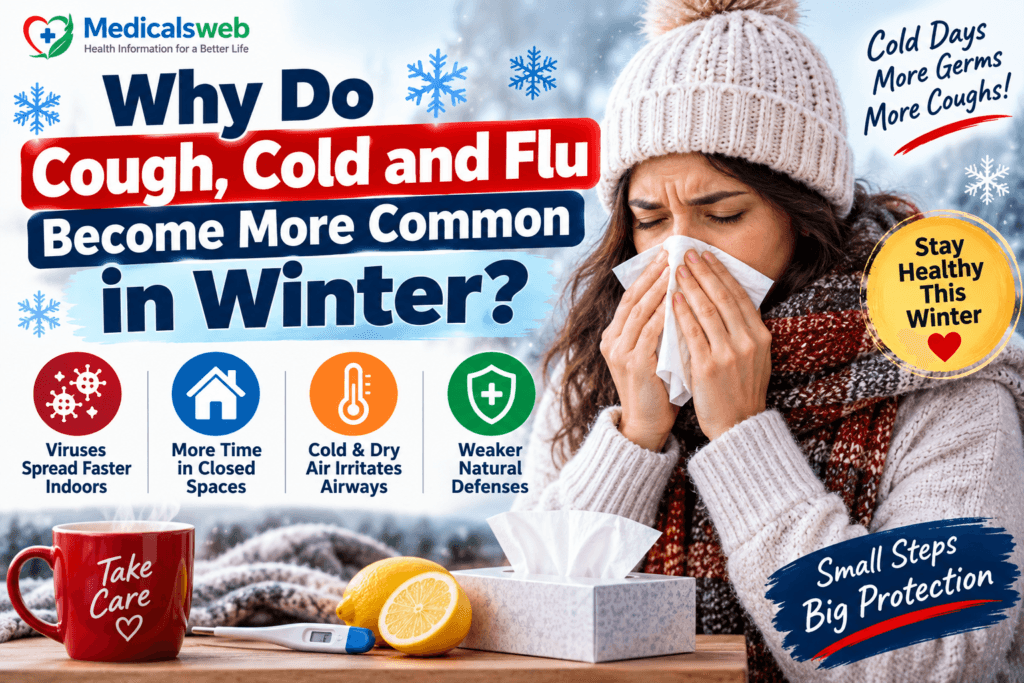
There is no single explanation. Instead, several winter-related changes contribute to the seasonal increase in respiratory illnesses.
1. People Spend More Time Indoors
During cold weather, people naturally spend more time inside homes, offices, classrooms, shopping centers, and other enclosed spaces.
When many people share an indoor environment, respiratory viruses have more opportunities to move from one person to another through respiratory droplets and small airborne particles.
Furthermore, poor ventilation can allow infectious particles to accumulate more easily in enclosed spaces.
2. Cold and Dry Air Can Affect the Airways
Winter air is often colder and drier. Breathing very cold or dry air can irritate the nose and throat and may make some people more likely to experience airway symptoms.
Dry air can also dry the protective mucus lining of the respiratory tract. This mucus helps trap particles and microorganisms before they reach deeper parts of the respiratory system.
As a result, cold and dry conditions may contribute to respiratory irritation and make symptoms such as cough more noticeable.
3. Some Respiratory Viruses Spread Seasonally
Different respiratory viruses have different seasonal patterns.
Influenza, for example, commonly causes seasonal outbreaks during colder months in many parts of the world. Respiratory syncytial virus (RSV) also shows seasonal patterns, although the timing can vary by region.
Common cold viruses can circulate throughout the year, but many respiratory infections become more noticeable during the winter season.
Therefore, the increase in cough and cold symptoms during winter is partly related to the seasonal circulation of respiratory viruses.
4. Indoor Heating Makes the Air Drier
Heating systems can make indoor air feel dry, particularly when windows remain closed for long periods.
Dry indoor air can irritate the throat and nasal passages. This may cause or worsen a dry cough, especially in people who already have sensitive airways.
However, a dry cough does not always mean that someone has an infection. Environmental irritation, allergies, asthma, acid reflux, and several other conditions can also cause coughing.
Why Does a Cough Happen?
A cough is not a disease by itself. It is a protective reflex that helps clear the airways of mucus, irritants, foreign particles, and other substances.
When the lining of the respiratory tract becomes irritated, nerves send signals to the brain. The brain then activates the muscles involved in coughing, helping force air out of the lungs.
This is why coughing can occur with a cold, flu, allergies, asthma, smoke exposure, air pollution, acid reflux, and many other conditions.
Cold vs Flu: What’s the Difference?
The common cold and influenza can have overlapping symptoms, but they are caused by different viruses and can affect people differently.
| Feature | Common Cold | Flu |
|---|---|---|
| Onset | Often gradual | Often more sudden |
| Fever | Less common in adults | Common, although not everyone has it |
| Body aches | Usually mild | Can be significant |
| Cough | Common | Often prominent |
| Fatigue | Usually mild | Can be substantial |
These symptoms overlap, so symptoms alone cannot always determine which virus is responsible. Testing may be useful in certain situations, particularly when influenza or COVID-19 is suspected and the result could influence treatment or infection-control decisions.
Why Does Cough Sometimes Last After a Cold?
One of the most common complaints after a respiratory infection is: “My cold is gone, but why am I still coughing?”
A cough can continue after other symptoms improve because the airways may remain irritated for some time.
Even after the virus has been cleared, inflammation and increased sensitivity of the airways can persist. Post-infectious coughing is therefore relatively common.
Who Is More Vulnerable to Winter Respiratory Infections?
Respiratory infections can affect anyone. However, some people are more likely to develop severe illness or complications.
- Older adults
- Young children and infants
- People with asthma or chronic lung disease
- People with heart disease
- People with diabetes
- People with weakened immune systems
- Pregnant women
- People with other significant chronic medical conditions
For people in higher-risk groups, even an apparently simple respiratory infection can sometimes progress to pneumonia or worsen an existing medical condition.
Can Cold Weather Directly Cause a Cold?
No. A cold is caused by a viral infection, not simply by being exposed to cold weather.
However, winter conditions can indirectly increase the risk of respiratory infections. People spend more time indoors, interact more closely with others, and may be exposed to dry air and seasonal viruses.
Therefore, saying “cold weather causes a cold” is an oversimplification.
How to Prevent Cough, Cold and Flu in Winter
Although you cannot eliminate every respiratory infection, several practical habits can reduce your risk.
🧼 1. Wash Your Hands Regularly
Wash your hands with soap and water, particularly after coughing or sneezing, after being in public places, and before eating.
😷 2. Cover Coughs and Sneezes
Cover your mouth and nose with a tissue or your elbow when coughing or sneezing. Dispose of used tissues properly and clean your hands afterward.
🌬️ 3. Improve Indoor Ventilation
Fresh air and adequate ventilation can reduce the concentration of respiratory particles in indoor spaces.
💉 4. Keep Recommended Vaccinations Up to Date
Vaccination is an important tool for preventing serious respiratory illness. Depending on your age, health conditions, location, and national recommendations, vaccines may be recommended against influenza, COVID-19, and other respiratory infections.
Ask your healthcare professional which vaccines are appropriate for you.
🥗 5. Support Your Overall Health
A balanced diet, adequate sleep, regular physical activity, good hydration, and avoiding tobacco smoke all support general health and respiratory well-being.
🚫 6. Avoid Smoking and Secondhand Smoke
Smoke irritates the respiratory tract and can worsen coughing and other respiratory symptoms. Avoiding tobacco smoke is one of the best things you can do for your lungs.
When Is a Cough a Warning Sign?
Most coughs associated with uncomplicated viral infections improve with time. However, certain symptoms require medical assessment.
- Difficulty breathing or severe shortness of breath
- Chest pain or pressure
- Coughing up blood
- Confusion or unusual drowsiness
- Blue or gray lips or face
- Severe weakness or dehydration
- A very high or persistent fever
- Symptoms that improve and then suddenly become much worse
- A persistent cough that does not resolve as expected
People with heart disease, chronic lung disease, diabetes, weakened immunity, or other significant medical conditions should seek medical advice earlier if respiratory symptoms become concerning.
Is Antibiotic Treatment Needed for a Cough or Cold?
Usually, no.
Most common colds are caused by viruses, and antibiotics do not treat viral infections. Taking antibiotics unnecessarily can cause side effects and contribute to antibiotic resistance.
Some bacterial infections can occur after a viral illness, but the treatment decision should be made based on the person’s symptoms and clinical evaluation.
Simple Home Measures for a Mild Cough
For an otherwise healthy adult with a mild viral respiratory infection, simple supportive measures may help with symptoms.
- Drink adequate fluids.
- Get sufficient rest.
- Use warm fluids to soothe an irritated throat.
- Avoid cigarette smoke and other respiratory irritants.
- Use a clean humidifier if indoor air is excessively dry, while keeping it properly cleaned.
- Honey may help relieve cough in adults and children over one year of age.
Over-the-counter cough and cold medicines are not appropriate for everyone, especially young children and people taking other medications. Ask a healthcare professional or pharmacist before using them if you are unsure.
Cough, Cold and Heart Disease
People with heart disease should take respiratory infections seriously because an infection can place additional stress on the body.
Fever, dehydration, reduced oxygen levels, and increased heart rate can be particularly important in people with existing cardiovascular conditions.
In addition, some over-the-counter cold medicines may not be suitable for people with high blood pressure, heart disease, or certain rhythm problems.
If you have heart disease and develop significant shortness of breath, chest discomfort, fainting, severe weakness, or rapidly worsening symptoms, seek medical attention promptly.
Frequently Asked Questions
Why do I cough more in winter?
Cold and dry air can irritate the airways, while winter also brings increased circulation of respiratory viruses. Indoor heating, poor ventilation, smoke, and allergies can further contribute to coughing.
Does cold air cause a cough?
Cold air can trigger or worsen a cough in some people by irritating the airways. However, an infection-related cough is caused by an underlying infection rather than cold air alone.
Why do colds spread faster in winter?
People tend to spend more time indoors and closer together during colder months. Reduced ventilation and seasonal circulation of respiratory viruses can increase opportunities for transmission.
How long does a cough from a cold last?
A cough can persist after other cold symptoms improve because the airways may remain irritated. The duration varies from person to person. A cough that is persistent, worsening, or associated with warning signs should be medically assessed.
Can flu cause a cough?
Yes. Cough is a common symptom of influenza and can sometimes continue after fever and other symptoms improve.
When should I see a doctor for a cough?
You should seek medical advice if your cough is severe, persistent, worsening, associated with breathing difficulty or chest pain, accompanied by coughing up blood, or occurring with other concerning symptoms. People with significant chronic medical conditions should seek advice sooner if symptoms worsen.
Final Thoughts
Winter brings a noticeable increase in cough, colds, and flu-like illnesses for several reasons. Cold and dry air can irritate the respiratory tract, while people spending more time indoors creates more opportunities for respiratory viruses to spread.
However, winter itself does not create these infections. Viruses are the underlying cause of viral colds and influenza, while seasonal environmental and behavioral factors influence how efficiently they spread.
Wash your hands, improve indoor ventilation, avoid smoking, maintain healthy habits, keep recommended vaccinations up to date, and avoid unnecessary antibiotics. Most importantly, do not ignore a cough accompanied by breathing difficulty, chest pain, coughing up blood, or other serious symptoms.
Medical Disclaimer
This article is for general educational purposes only and does not replace professional medical advice, diagnosis, or treatment. If you or a family member develops severe breathing difficulty, chest pain, confusion, blue or gray lips or face, coughing up blood, or another serious symptom, seek urgent medical attention.
Trusted Medical Resources
- Centers for Disease Control and Prevention – Influenza
- Centers for Disease Control and Prevention – Common Cold
- World Health Organization – Seasonal Influenza